
Seat Leon >> Brake fluid
Check and refill the brake fluid
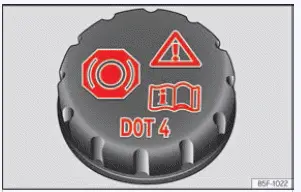
Fig. 234 Engine compartment: brake fluid
reservoir cap.
Checking the brake fluid level
The active brake fluid level in your Seat Leon must always remain positioned between the  and
 reference markings.
However, if the brake fluid level decreases noticeably within a short period of time, or drops below the critical  mark, it indicates that there may be a dangerous fluid leak within the hydraulic brake system.
If this occurs, immediately seek professional specialist assistance. A dedicated warning light on the instrument cluster display constantly monitors the system and warns of abnormal brake fluid levels.
 Brake fluid level
The instrument cluster control lamp lights up in red.
The brake fluid level in the reservoir is too low.
 Stop driving immediately!
- Carefully check the brake fluid level under the bonnet.
- If the brake fluid level is confirmed to be too low, seek specialist recovery assistance right away.
Changing brake fluid
For maximum safety and performance, we strongly recommend that you have the brake fluid flushed and changed exclusively by an authorized Technical Service workshop.
WARNING If the brake fluid level is low, or if old, contaminated, or unsuitable brake fluid is used, the hydraulic brake system may malfunction, leading to severely reduced braking power or total brake failure.
- Inspect the hydraulic brake system and verify the brake fluid level on a regular basis!
- As brake fluid ages and absorbs moisture, and when the vehicle's brakes are subjected to extreme braking forces during heavy use, microscopic bubbles of vapor can form inside the brake hydraulic lines.
These vapor lock bubbles can drastically compress and reduce braking power, resulting in a noticeably longer braking distance and potentially causing the complete failure of the braking system.
- Always ensure that you use the correct type of brake fluid. Only use brake fluid that expressly and strictly meets the VW 501 14 technical standard.
- You can purchase approved VW 501 14 standard brake fluid directly from any SEAT dealership or official service partner. If factory-approved fluid is completely unavailable in an emergency, use only high-quality replacement brake fluid conforming strictly to DIN ISO 4925 CLASS 4 standards or USA Standards FMVSS 116 DOT 4.
- Any replacement brake fluid added must always be completely fresh and unused from a sealed container.
- Brake fluid must always be stored in its original, tightly closed container in a secure location completely out of reach of children. Extreme risk of poisoning!
NOTICE Brake fluid is highly corrosive and must not be allowed to come into contact with the painted bodywork of your Seat Leon, as it will damage and strip the paint.
Note Brake fluid is a hazardous environmental pollutant.
Carefully collect any spilled service fluids and ensure they are disposed of by a professional waste management service.
 Check and refill the coolant
Engine cooling fluid
Fig. 232 In the front compartment: coolant
expansion tank.
Preliminary steps
Park your Seat Leon securely on a firm, flat, and level ground surface.
Switch off th ...
 Windscreen washer reservoir
Checking the level of the windscreen
washer reservoir and refilling it
Fig. 235 In the engine compartment: blue cap
of the windscreen washer reservoir.
Check the fluid level in your Seat Leon wi ...
See also:
General notes
Safety advice
WARNING
The ultimate responsibility for safe driving rests with the driver at all times. Advanced driver assist systems are never a replacement for driver attentiveness and focus ...
