
Seat Leon >> Roof carrier
Introduction
The roof of your Seat Leon has been engineered with precision to optimize overall aerodynamics and reduce wind noise. Because of this specialized aerodynamic contouring, standard aftermarket crossbars or conventional roof carrier systems cannot be attached directly to the roof water channels.
Since the rain water drains are smoothly integrated into the roof architecture to minimize air resistance, only genuine SEAT-approved crossbars and certified roof carrier systems should be installed on your vehicle.
Cases in which cross bars and the roof carrier system should be disassembled.
- When they are not actively being used to transport cargo.
- When the vehicle is about to be washed in an automated car wash facility.
- When the overall height of the vehicle exceeds maximum clearance limits, such as when entering low-ceiling multi-story parking garages.
WARNING
- Always secure roof-mounted cargo properly and securely using heavy-duty retention belts or lashing straps that are appropriate for the load and in sound condition.
- Carrying bulky, heavy, long, or flat loads on the roof alters vehicle aerodynamics, raises the center of gravity, and has a significant negative effect on steering stability and braking performance.
- Avoid abrupt braking, sharp steering inputs, and sudden aggressive driving maneuvers when carrying roof loads.
- Continuously adapt your driving speed and style to suit prevailing weather, visibility, road surface quality, and traffic conditions.
NOTICE
- Always remove the crossbars and roof carrier system completely before entering an automated car wash to prevent mechanical damage.
- Installing crossbars or a roof carrier system along with secured cargo increases the overall operating height of your Seat Leon. Always verify that your vehicle's total height remains well below vertical clearance limits before passing under low bridges, entering underpasses, or driving through garage doors.
- Installed crossbars, carrier attachments, and rooftop cargo must never interfere with the roof radio antenna, obstruct the opening path of the panoramic sunroof, or foul the rear tailgate when opened.
- When opening the rear lid, always ensure that the opened tailgate does not strike any extended roof cargo.
For the sake of the environment
When crossbars and a roof carrier system are installed on your Seat Leon, the increased aerodynamic drag and wind resistance result in higher fuel consumption and elevated carbon emissions.
Securing the crossbars and the roof carrier system
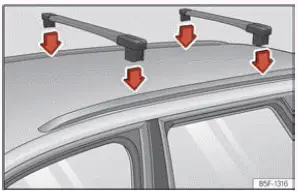
Fig. 201 Attachment points for the crossbars
for the roof carrier (Leon Sportstourer).
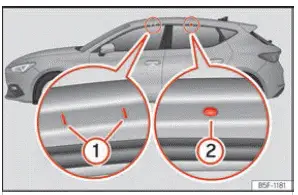
Fig. 202 Attachment points for the crossbars
for the roof carrier (Leon).
The roof crossbars serve as the essential modular foundation for a variety of specialized transport attachments. For maximum safety, dedicated fixtures must be used to securely transport sports equipment such as luggage boxes, bicycles, skis, surfboards, or watercraft on the roof. Approved transport accessories can be purchased directly from authorized SEAT dealerships.
Always anchor the crossbars and the roof carrier system firmly following proper installation procedures. Always review and strictly observe the manufacturer assembly instructions supplied with your specific crossbars and roof carrier system components.
Installing the bars
Valid for the Leon Sportstourer: The crossbars are mounted directly onto the factory roof railings as illustrated ››› Fig. 201.
The recommended longitudinal distance between crossbars A should be approximately 75 cm, while the distance between the front crossbar and the front bracket marker of the side roof rail B should be maintained at 30 cm.
Valid for Leon hatchback: The front and rear body attachment points 1 and 2 are concealed and become visible only when the respective doors are opened ››› Fig. 202.
WARNING Incorrect mechanical installation, improper tightening, or misuse of crossbars and roof carrier systems can cause the entire rooftop assembly to detach while driving, leading to severe accidents and injuries to other road users.
- Always follow the manufacturer's assembly instructions meticulously.
- Inspect all threaded fasteners, clamps, and mounting attachments before setting off, and re-tighten them if necessary after traveling a short distance.
During long road trips, check the security of all threaded joints and clamps at every scheduled rest stop.
- Never attempt to structurally modify, weld, or repair roof crossbars or carrier system components.
Note Always read the assembly instructions included with your crossbars and roof carrier system carefully and store them inside your vehicle for future reference.
Loading the roof carrier system
Safely securing cargo on top of your vehicle is only possible when the crossbars and the entire roof carrier system have been correctly and securely mounted.
Maximum authorised cargo on the roof
The maximum permissible roof load capacity is 50 kg for the standard Seat Leon hatchback and 75 kg for the versatile Seat Leon Sportstourer estate. This figure represents the combined total weight of the roof carrier system itself, the mounting crossbars, and the actual cargo being transported on the roof.
Always verify the weight of your rooftop transport accessories (such as a roof box, bicycle rack, or ski holder), the crossbars, and your luggage items before loading—weighing them if necessary. Never exceed the maximum authorised roof load limit.
If you are utilizing crossbars and rooftop carrier attachments that feature a lower individual weight rating, you will not be able to reach the maximum vehicle roof load limit. In such cases, strictly adhere to the lower maximum weight limit specified in the manufacturer's fitting instructions for those accessories.
Distributing a load
Always distribute rooftop loads uniformly across the carrier system and secure every item correctly.
Check attachments
Once the crossbars and roof carrier system have been installed and loaded, inspect all bolted connections, clamps, and attachments after driving a short distance, and check them regularly during your journey (approximately every 200 km).
WARNING
- Never exceed the maximum authorised roof load limits, individual axle load ratings, or the overall maximum gross vehicle weight of your Seat Leon.
- Never exceed the specific weight load capacity of the crossbars and roof carrier accessories, even if the vehicle's maximum authorised roof load has not been fully reached.
- Always place and secure heavy items as far forward as possible on the roof rack and distribute the rest of the vehicle payload uniformly.
WARNING If cargo placed on the roof is loose, poorly balanced, or improperly secured, it can break free from the roof carrier system during travel, causing severe accidents and injuries to other road users.
- Always use high-strength retaining belts, lashing straps, or cargo tie-downs that are appropriate for the load and in sound, undamaged condition.
 Luggage compartment equipment
Fastening rings
Fig. 194 In the luggage compartment:
fastening rings.
Heavy-duty fastening rings ››› Fig. 194 are located at both the front and rear corners of the luggage compartment floor ...
 Trailer mode
...
See also:
Transport of gearbox
Special tools and workshop equipment required
Gearbox lifting tackle - 3336-
Bolt gearbox lifting tackle - 3336- to clutch housing.
Adjust support beam on sliding piece using locki ...
